FORAXION TIMESOCTOBER 2026

INSIGHTS

IDEAS, METHODS, AND TECHNOLOGY SHAPING BETTER FORECASTING AND STRATEGIC DECISIONS.

Insights

Latest in Insights

2023-02-23The Forecasting Machine

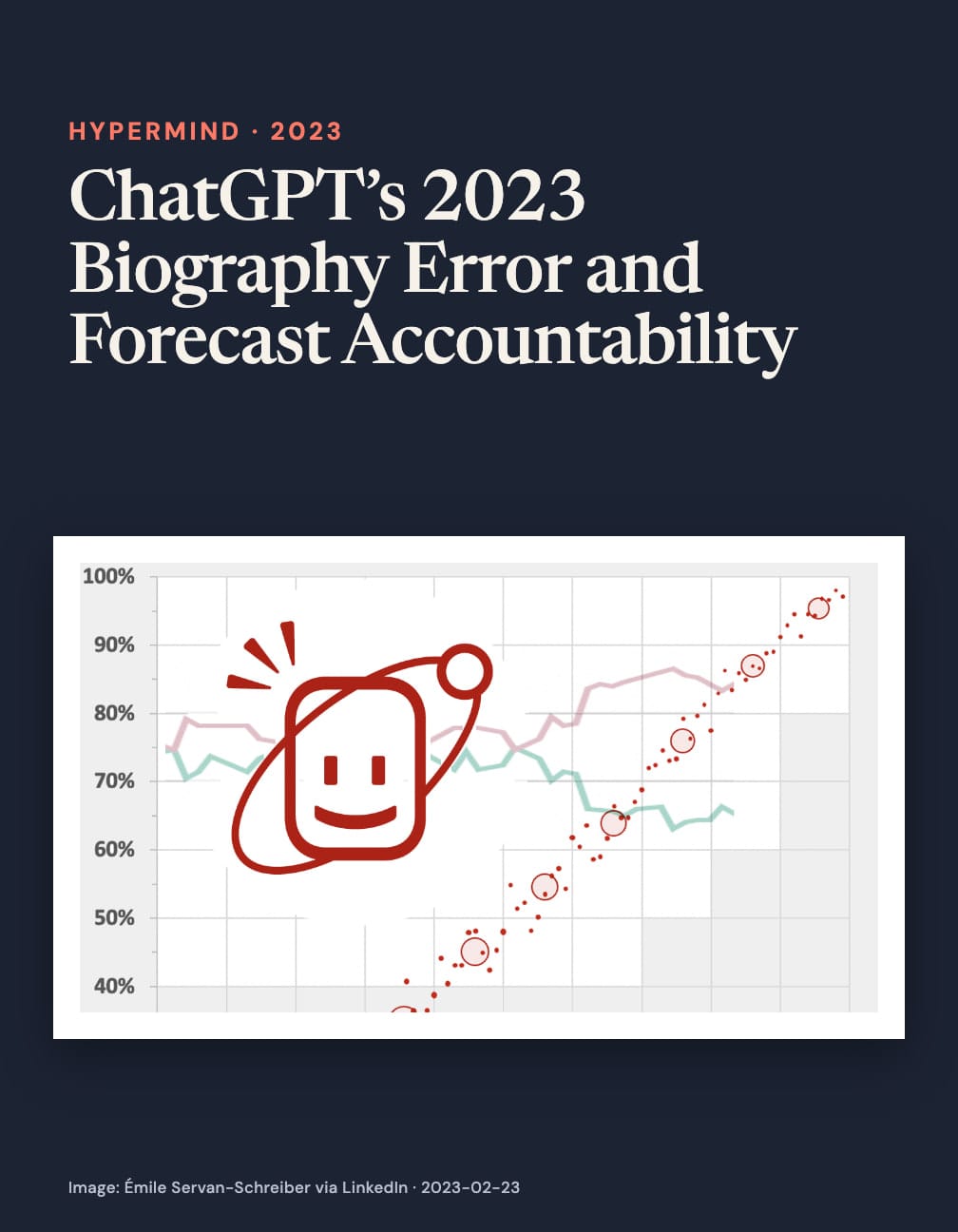
When ChatGPT invented a biography: an early argument for accountable forecasts

In January and February 2023, Émile Servan-Schreiber contrasted a fabricated ChatGPT biography with Hypermind’s scored probability record. The comparison was about evidence as much as intelligence.

2022-10-21The Forecasting Machine

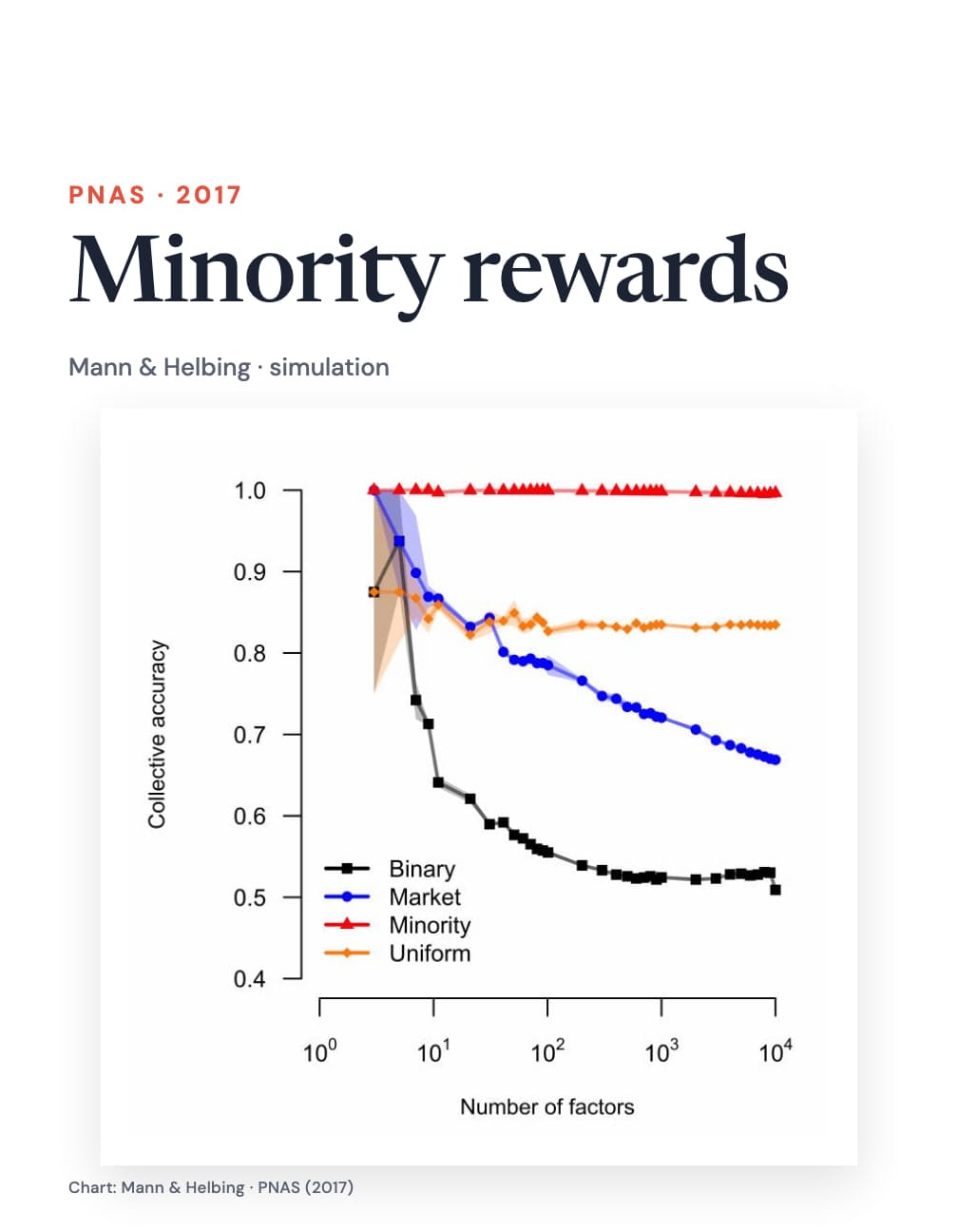
Do prediction markets reward the lone right answer? Servan-Schreiber’s reply to a PNAS model of collective intelligence

A 2017 PNAS model found that “market rewards” make crowds herd and proposed paying accurate minorities instead. Émile Servan-Schreiber argues that real prediction markets already pay that way.

2022-07-11The Forecasting Machine

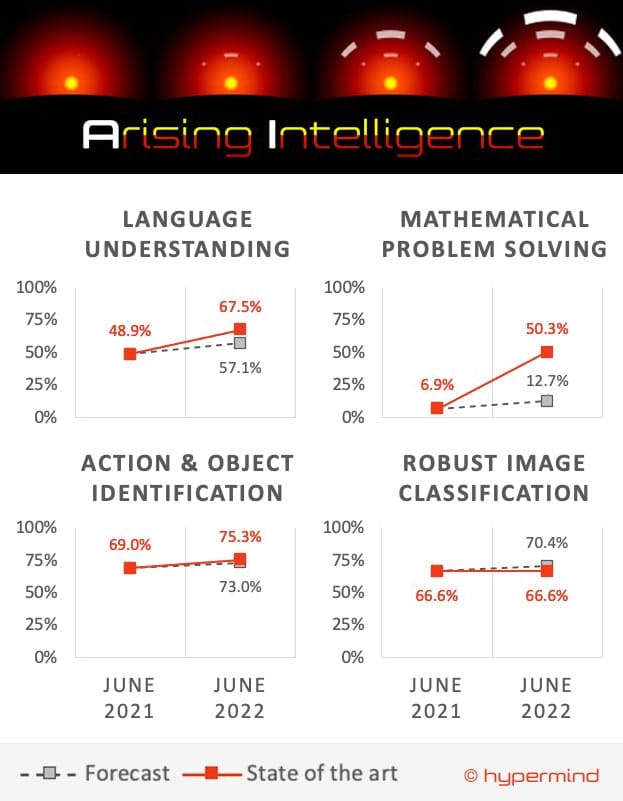
“Arising Intelligence”: what Hypermind’s crowd got right and wrong about AI progress

From 2021, Hypermind ran contests asking forecasters to predict AI benchmarks with Jacob Steinhardt of UC Berkeley. Progress on maths and language beat the crowd’s expectations; robustness lagged them.

2022-06-02The Forecasting Machine

Learning collective intelligence through student experiments at UM6P

Student surveys, an online social-sensitivity test and a forecaster’s account of reinvesting his winnings show how collective intelligence was taught through practice.

2022-05-02The Forecasting Machine

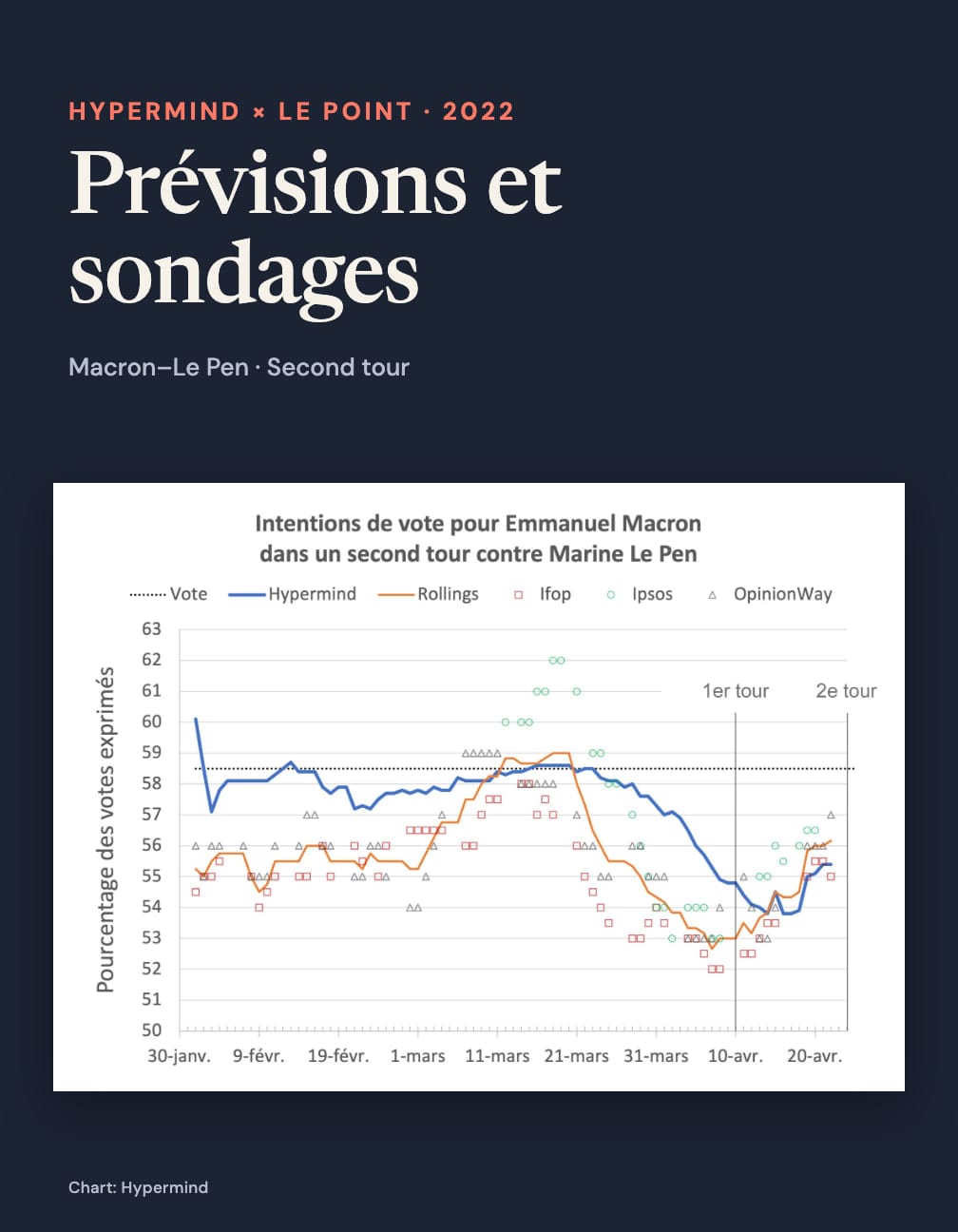
Bettors versus pollsters: the Hypermind–Le Point panel and the 2022 Macron–Le Pen run-off

Across 143 daily rolling polls of the 2022 French presidential run-off, the Hypermind–Le Point panel’s forecast was closer to the final result in 128 cases. What was compared, how the panel worked, and where the comparison has limits.
2022-04-26The Forecasting Machine

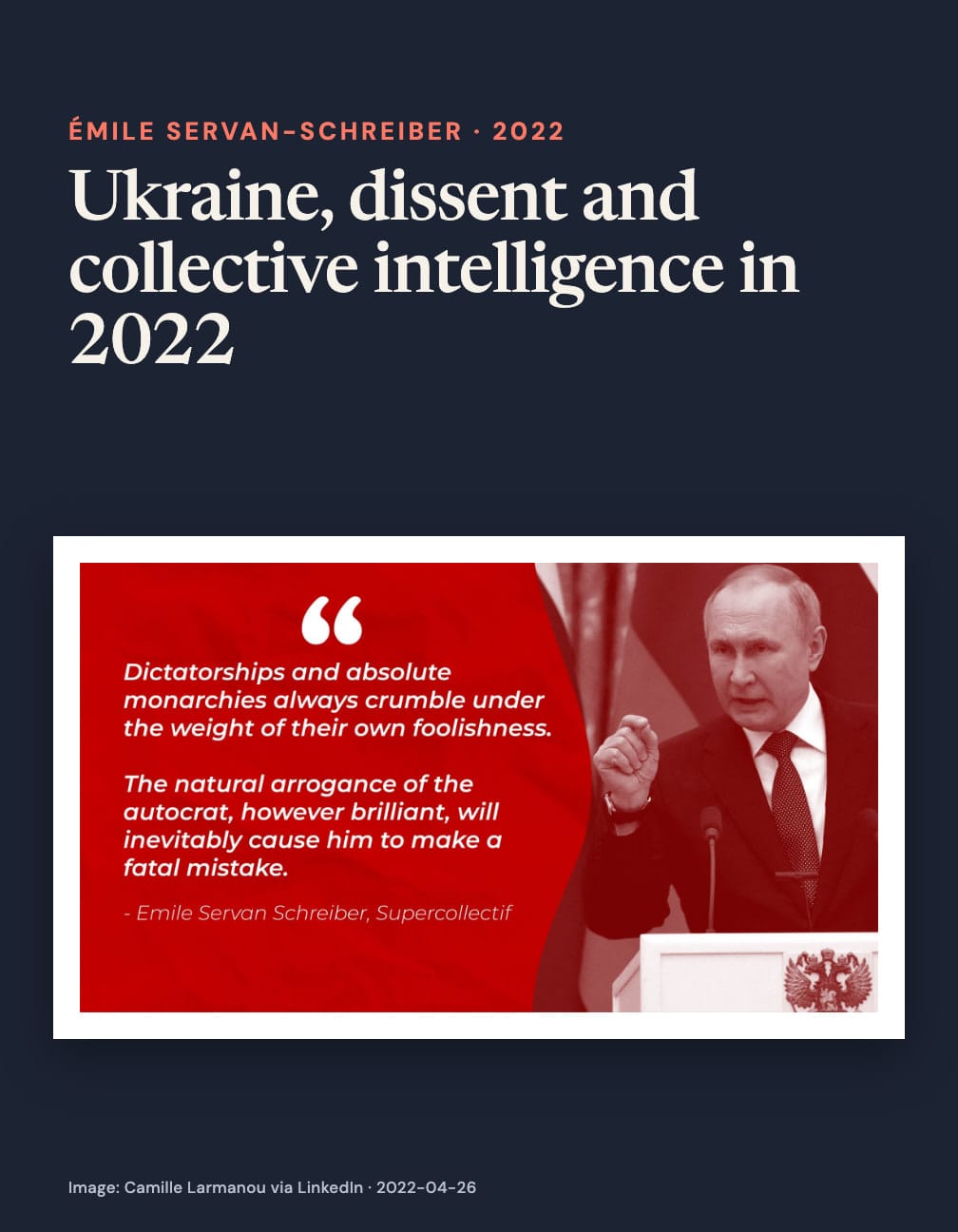
Dissent and groupthink: a collective-intelligence reading of the Ukraine war

An April 2022 post used Russia’s failure to capture Kyiv to argue for dissent and error correction. The argument is useful, but its causal claims need limits.

2022-01-11The Forecasting Machine

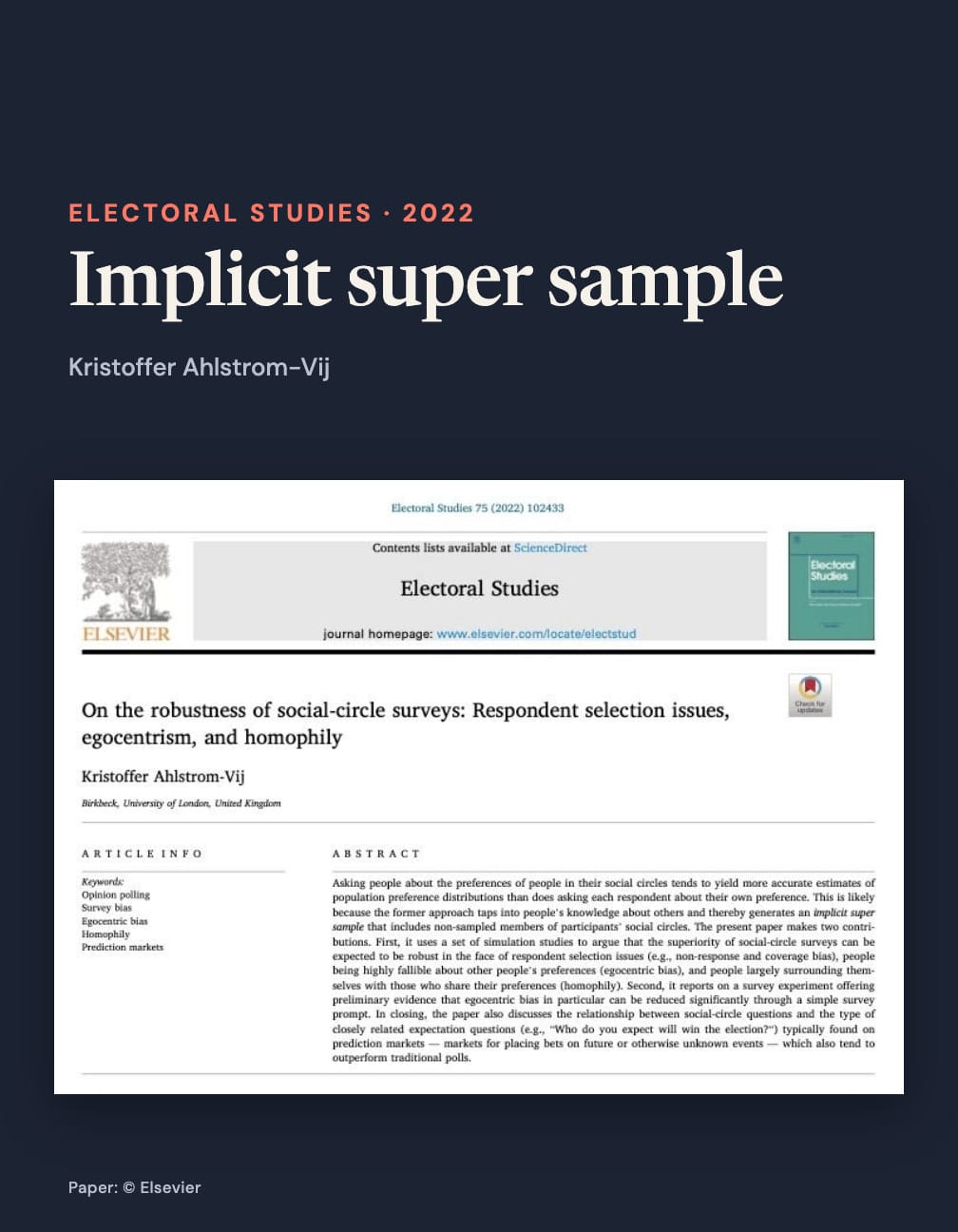
Ask what your circle thinks: an implicit super-sample for surveys and forecasts

A 2022 Electoral Studies paper examined why asking about other people's preferences can outperform asking only about one's own—and how the same mechanism may help prediction markets.

2021-11-21The Forecasting Machine

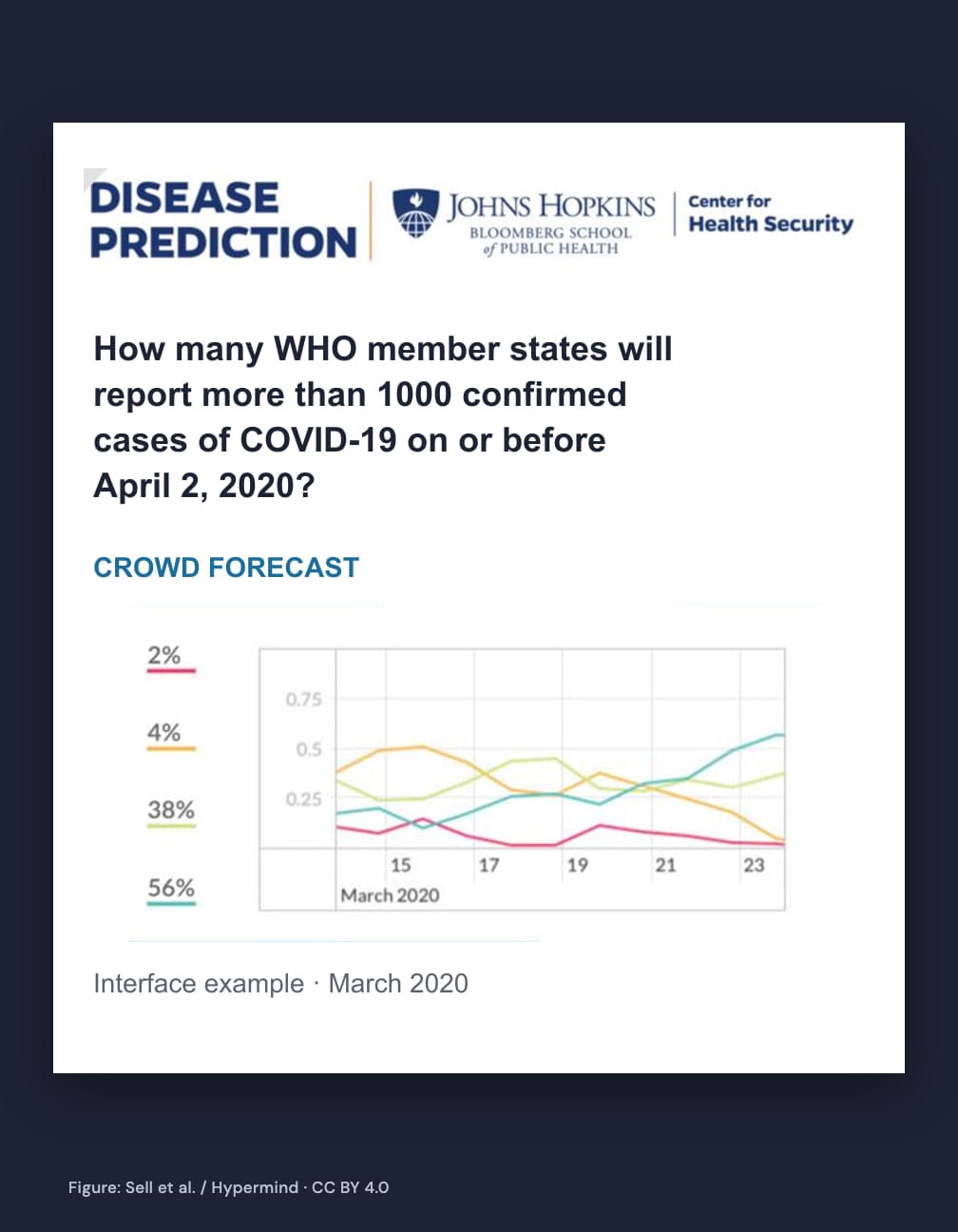
What 15 months of crowd forecasting taught Johns Hopkins about disease outbreaks

A study by the Johns Hopkins Center for Health Security and Hypermind, published in November 2021, followed 562 forecasters through 61 questions on 19 diseases. The combined crowd forecast was well calibrated, beat chance by a wide margin and outscored every individual, including the public-health experts.
2021-03-28The Forecasting Machine

Conformity and energy choices: a collective-intelligence critique from 2021

Servan-Schreiber’s brief comment on gas, hydrogen and nuclear policy raises a question about how groups judge evidence. The policy disagreement and the diagnosis of conformity need separate scrutiny.

2020-05-27The Forecasting Machine

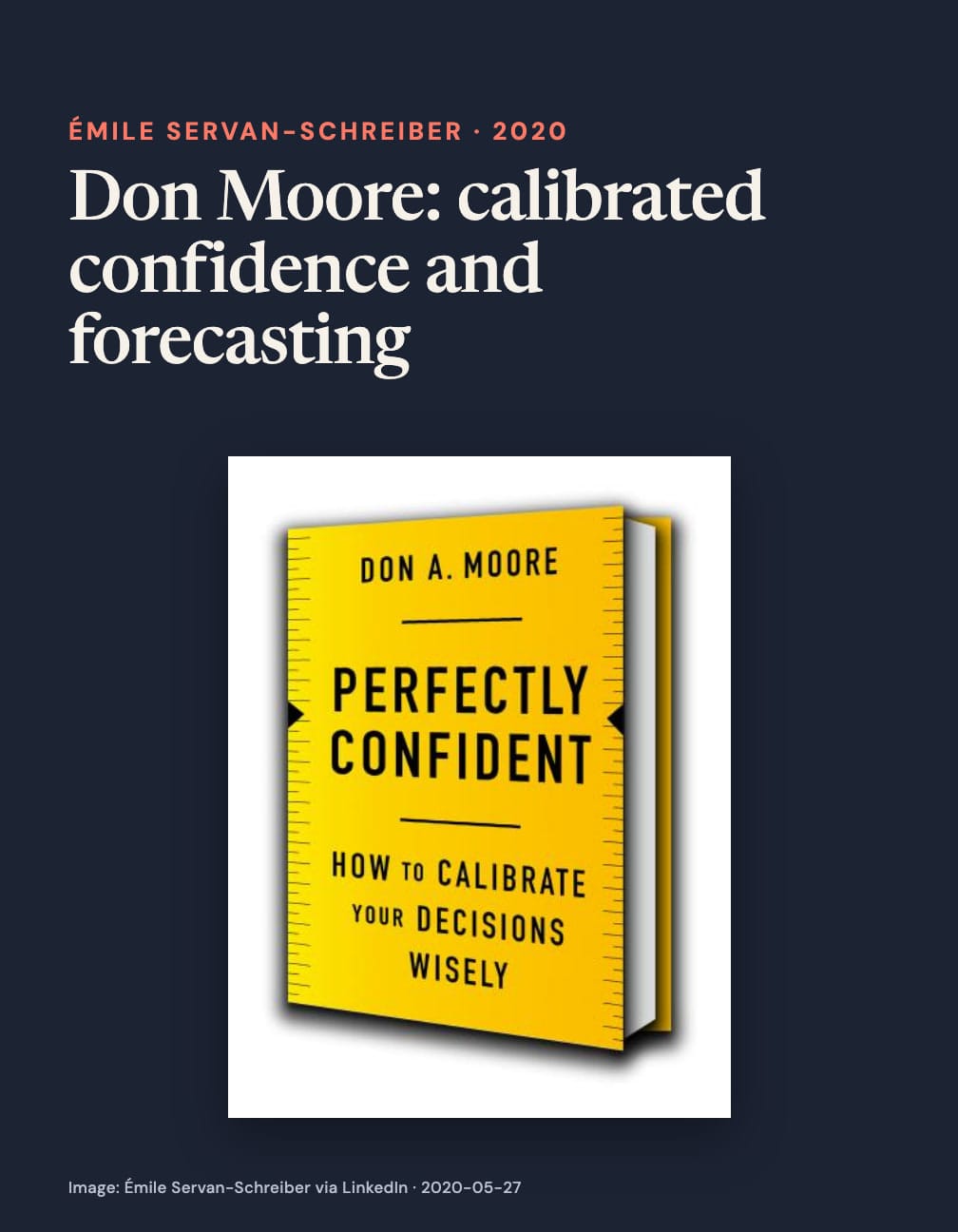
Don Moore’s confidence research and the discipline of forecasting

In May 2020, Émile Servan-Schreiber recommended Perfectly Confident. Moore’s book and forecasting research make the case for confidence tested against results.

2020-04-06The Forecasting Machine

Scott Page’s many-model thinking, from a book to epidemic explanations

Servan-Schreiber shared Scott Page’s book announcement in 2018 and recommended an epidemic video in April 2020. Official university materials recover the modelling context behind those short posts.

2020-03-05The Forecasting Machine

An hourly COVID economic dashboard, and Émile’s idea of hybrid collective intelligence

Pierre Haren announced four hourly updated charts in March 2020. Causality Link’s contemporaneous analysis explains how machine reading could organize a crowd’s explanations.

Subscribe to The Forecasting Brief — forecasts & model notes, once a week